
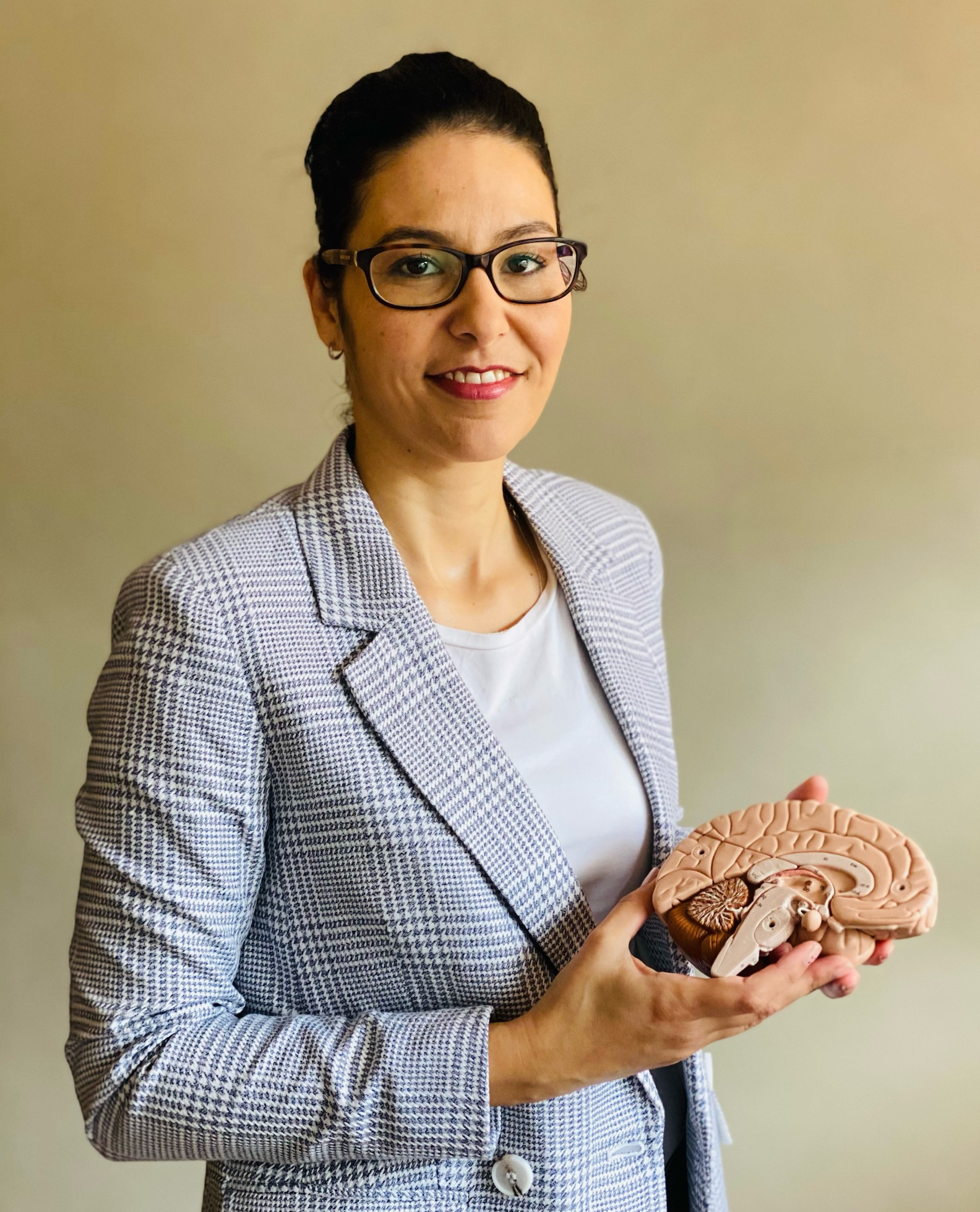
Principal Investigator
Prof. dr. Hanan El Marroun
Background: Neuroscience and Epidemiology
Theme of the chair: Biological Psychology, with a focus on substance use and brain development
My research line focuses on sensitive periods of brain development starting from fetal life. One of the topics that I have been studying in depth is the influence of (prenatal) substance use exposure on neurodevelopmental outcomes (psychopathology, behavior, cognition, brain structure and connectivity measured with brain scans). Thus, the ScanLab is focused on Studies of Child and Adolescent Neurodevelopment (SCAN).
PhD students (last name in alphabetical order)

Olga Boer
Background: Psychology and Cognitive Neuroscience
PhD project: Olga’s main interest is exploring the link between brain development and substance use. Specifically, she aims to prospectively investigate whether the (ab)normal development of structure and function of brain areas related to error processing (measured with EEG) are associated with risky substance use in adolescence, and whether an electrophysiological index (ERN) of error processing in adolescence can predict substance use behavior.
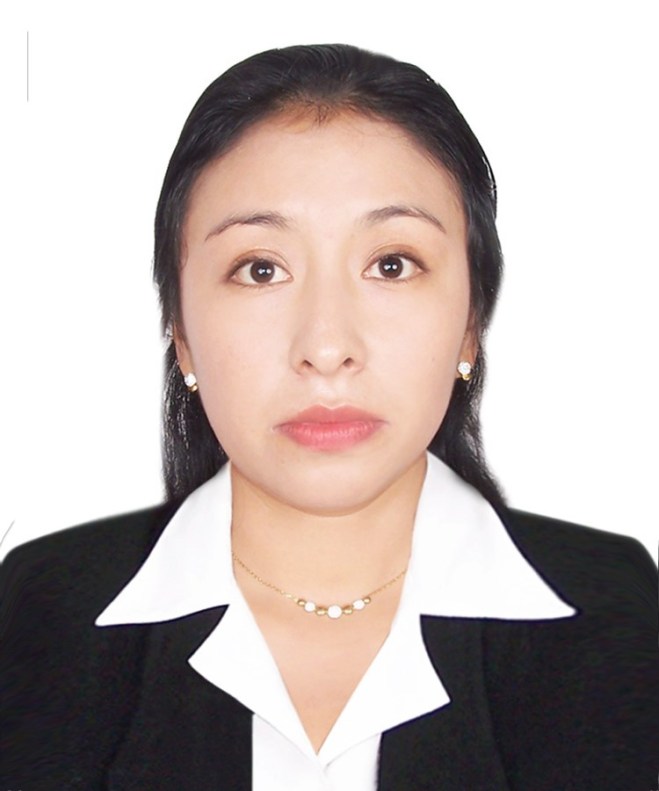
Kim Cajachagua Torres
Background: Medicine, with specialization in Health Management. Master in Public and Global Health.
PhD project: Kim investigates the influence of parental substance use (including tobacco and cannabis smoking) in relation to maternal, placental and child health outcomes. The health outcomes include cardiometabolic indicators as well as hormonal (cortisol) function.
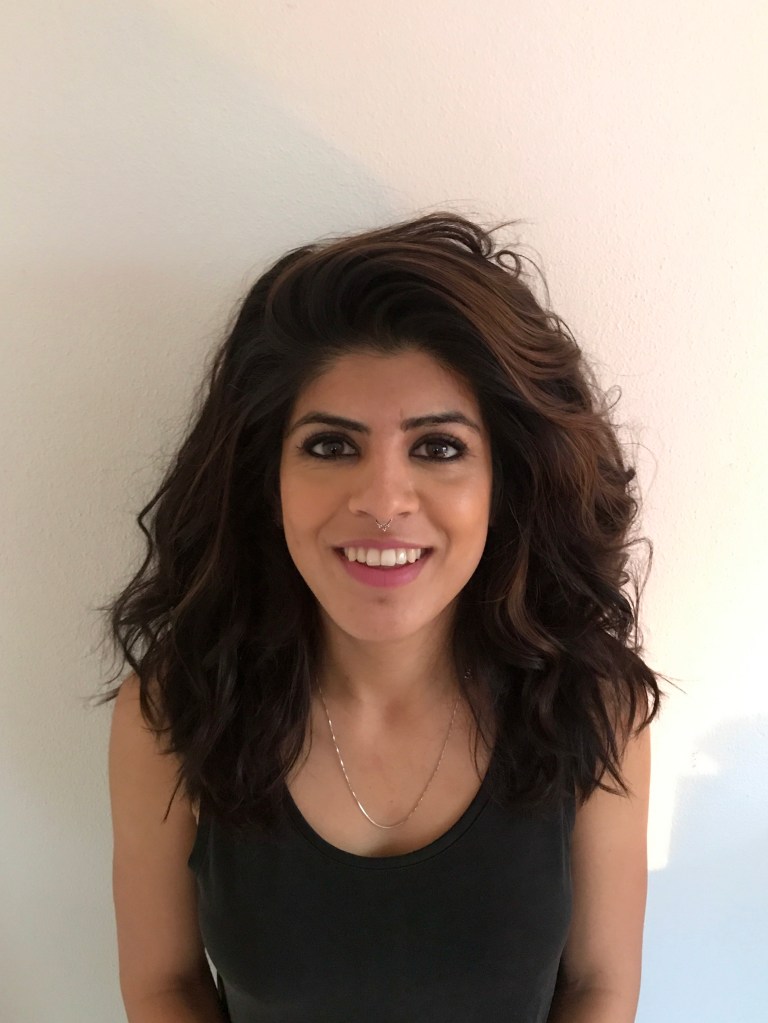
Karis Colyer Patel
Background: Biomedical Science, Psychology and Cognitive Neuroscience
PhD project: My interest lies in understanding how the developing brain is associated with both risk and resilience to addiction. During my project there will be a focus on understanding age-dependent effects of substance use on motivational and inhibitory control processes. In doing so, I will combine both human and rodent data, taking a translational approach. I will investigate age-related differences in brain structure and connectivity in addiction across different substances. Following this, I will investigate brain-based predictors of subsequent trajectories of substance use.

Esmée Essers
Background: Bio-Pharmaceutical Sciences and Global Health
PhD project: Esmee’s project is focused on the relationship between ambient temperature exposure during pregnancy and childhood and various outcomes, with her first outcome of focus being foetal growth. She aims to investigate the associations in various population-based cohort studies from different countries and will most likely expand the outcomes to include neurodevelopment, cognition and behaviour, and sleep disturbances.
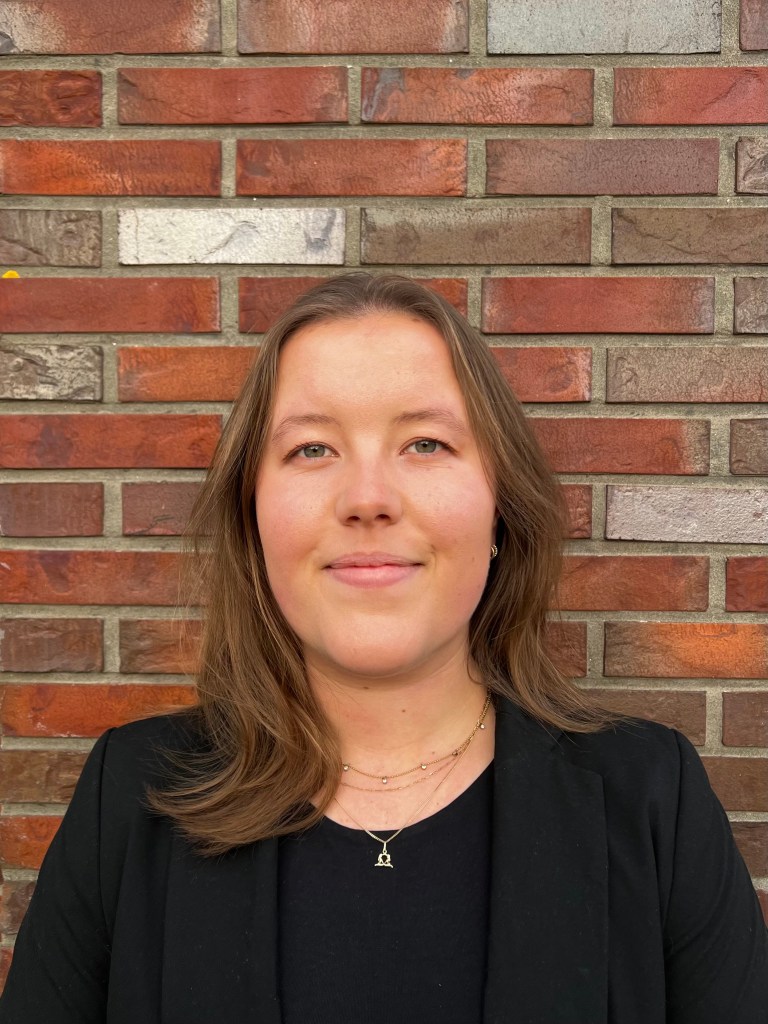
Sara van Ham
Background: Econometrics, Brain & Cognition and Health Psychology
PhD project: My research focuses on the mechanisms of problematic internet use in adolescents. I aim to identify key predictors and examine patterns of resilience and vulnerability, particularly in the context of co-occurring psychopathology. By incorporating neuroimaging methods, the project further aims to uncover the mediating pathways towards addictive online behaviors.

Jana Hermans
Background: Cognitive neuroscience with a specialisation in neuroimaging and psychiatry
PhD project: Jana’s research focuses on how to better understand the influence of prenatal maternal depression on children’s brain development, behaviour and mental health. Her project is part of the European collaboration HappyMums and she will work with large sets of brain imaging and behavioural data to investigate childhood neurodevelopment in the context of maternal depression during pregnancy.

Dogukan Koc
Background: Medicine, with specialization in Child and Adolescence Psychiatry
PhD Project: The serotonergic system (represented by genetics and prenatal exposure to serotonin reuptake inhibitors) affect later life behaviour and cognition, but the underlying (neuro)developmental processes remain to be clarified. Dogukan will investigate whether these effects extend into adolescence in humans. For this purpose, he will use neuroimaging and transdiagnostic behavioural (e.g. emotionality) and cognitive (e.g. executive functioning) data of the population cohort ‘the Generation R Study’.

Fangxiang Mao
Background: Psychiatric epidemiology
PhD project: Fangxiang’s project mainly focuses on maternal sleep problems across pregnancy. Based on the Generation R Next cohort, her project aims to describe the dynamic characteristics of maternal sleep and its relationship with health outcomes in mothers and children.

Lilly Meerts
Background: Biomedical Sciences, master in Neuroscience and Cognition with a minor in Bioinformatics
PhD project: In our society plastic products are ubiquitous, thereby exposing almost everyone to so called micro-plastics. Examples are bisphenols and phthalates, chemical compounds that optimize the characteristics of plastic products, while also leaking from plastic packaging into food and care products. In her PhD project, Lilly will explore the influence of bishenols and phthalates on brain development. She will look at the influence of bisphenols and phthalates on child and adolescent behavior, as well as studying brain MRI scans.

Marin Pielage
Background: Biomedical Science, Medicine with a special interest in Obstetrics and Gynaecology
PhD Project: During her PhD project at the Erasmus MC, Marin will focus on the influence of alcohol intake during pregnancy on fetal brain development. Marin will use 3D ultrasound measurements techniques to visualize the several fetal brain structures during different stages in pregnancy.

Christophe Romein
Background: Cognitive neuroscience & experimental psychology
PhD project: One of the most significant predictors of substance use during adolescence is the proportion of substance using peers. My research project primarily focuses on a social plasticity model of substance use and addiction. We hypothesize that social context serves as a risk factor for substance use engagement during adolescence. At the same time, we also hypothesize social context to serve as a protective factor during (early) adulthood. To study this phenomenon, I combine neuroimaging (fMRI) with behavioral methods to create a better understanding of the social cognitive aspects of heavy cannabis and alcohol consumption. I will primarily focus on the effects of age-related differences in brain activity, structure, and connectivity.
Postdoctoral researchers (last name in alphabetical order)

Clair Enthoven
Background: Public Health
Postdoctoral research: Clair’s passion is studying complex societal health issues. She is currently working on projects related to contraception, unintended pregnancy and children growing up in vulnerable circumstances. Her research is very interdisciplinary and include topics and stakeholders from both social sciences and health sciences. She uses a variety of research methods by combining epidemiological designs with qualitative research methods.

Emese Kroon
Background: Neuroscience and psychology
Postdoctoral research: My primary interest lies in the development and maintenance of substance use disorders and how individual differences contribute to these processes. This includes but is not limited to exploring the complex interactions between sex/gender, mental health, cognition, social influence, cue-exposure, and cultural attitudes on a behavioral and brain level (primarily using (f)MRI). Furthermore, I have a passion for research methods focusing on the validity and reliability of existing methods and the development of new measures to test our evolving theories.

Isabel Schuurmans
Background: Psychology and Epidemiology
Postdoctoral research: Isabel focuses on uncovering the biological factors underlying adverse child outcomes. She is particularly interested in factors such as brain development, epigenetics, and the gut microbiome; and in examining how these factors interact and evolve over time to shape an individual’s susceptibility to mental health problems.

Yuchan Mou
Background: Public Health, Biostatistics and Epidemiology
Postdoctoral research: Yuchan is passionate about understanding how environmental exposures, including diet, air pollution, and chemicals, during susceptible periods shape child health. She is particularly interested in the physical growth and brain influences of complex interactions between environmental factors. Her current research focuses on investigating the influence of endocrine disrupting chemicals on adolescent brain and behaviour, and examining thyroid and sex hormone disruption as potential mediating pathways.
Previous Team-members
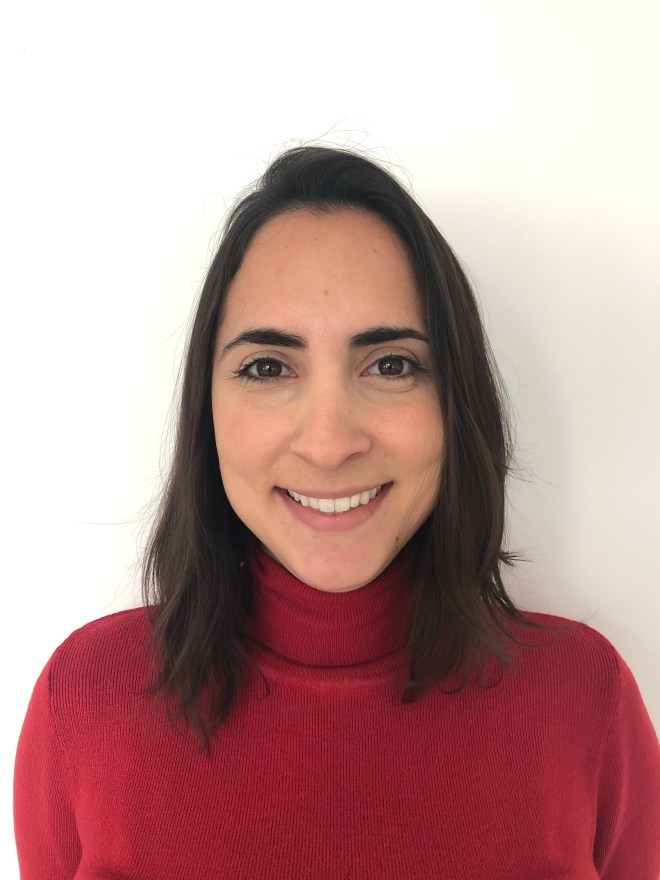
Carolina Costa Vicente Silva
Background: Medicine and Clinical Epidemiology
Phd project: Maternal and childhood cardiovascular profile is a major public health concern. It has been associated with short- and long term consequences in later life. However, the influence of early life exposures on childhood cardiovascular and brain development is still not fully known, which Carolina explored in detail during her PhD project.
A link to her PhD-thesis:
https://pure.eur.nl/en/publications/cardiovascular-and-brain-health-in-early-life

Alix Weidema
Background: Cognitive Neuropsychology
PhD Project: My interest lies in unraveling both risk and resilience factors of addiction for different ages. During my project, I investigated social factors in relation to alcohol and cannabis use severity in adolescents compared to adults. For example, I focused on social reward sensitivity, social cue reactivity, social influence, and social attunement, by taking a multimodal approach (behavioral, neural, and self-report).

Runyu Zou
Background: Medicine, Public Health and Epidemiology
PhD project: Runyu Zou worked on perinatal determinants of child brain development using epidemiological methods and neuroimaging techniques. His research particularly focused on mental health, nutrients, and substance use.
A link to his PhD-thesis:
Co-supervised PhD students and post-doctoral researchers
Dr. Sara Sammalahti
Dr. Koen Bolhuis
Drs. Florianne Vehmeijer
Dr. Michiel den Dries
Dr. Kiki Cheung
Drs. Simone Koenraads
Dr. Nina Molenaar
Supervised Master students
2024-2025
Hajar Faris; thesis: Childhood maltreatment and mental health outcomes
Luna Brockhoff; thesis: Subjective memory complaints and depression
Fleur de Ruijter; thesis: Trajectories of smoking and brain health
Esther Schlessinger; thesis: Gestational exposure to phthalates, vitamin D status, and autistic traits in children
Isha Bhoendie ; thesis: Bisphenols and phthalates (microplastics) and post-partum depression
Dewi van Aerde; thesis: Infant sleep trajectories
2023-2024
Demi Busch; thesis: IBerry Study: Association of psychopathy and delinquency in adolescence
2022-2023
Maurits de Ruijter; thesis: Pregnancy duration and child development
Amber Hieralal; thesis: Early childhood trauma and substance use
Bianca Meijer; thesis: The bifactor model of psychopathology
2021-2022
Nadine Danner; thesis: Early determinants on adolescent substance use
Aysenur Öztop; thesis: Early determinants on adolescent substance use
2020-2021
Romy Verheek; thesis: Prenatal cannabis use and offspring autism traits
Ilse Haarman; thesis: Social phobia, peers and substance use
Vera den Boer; thesis: Maternal psychopathology and infant cognitive development
2019-2020
Judith Weber: Prenatal cannabis exposure and cognitive functioning in children
Dima Hedni: Maternal transfatty acids intake and child internalizing and externalizing behavior
 Studying Child and Adolescent Neurodevelopment (SCAN) Lab
You must be logged in to post a comment.